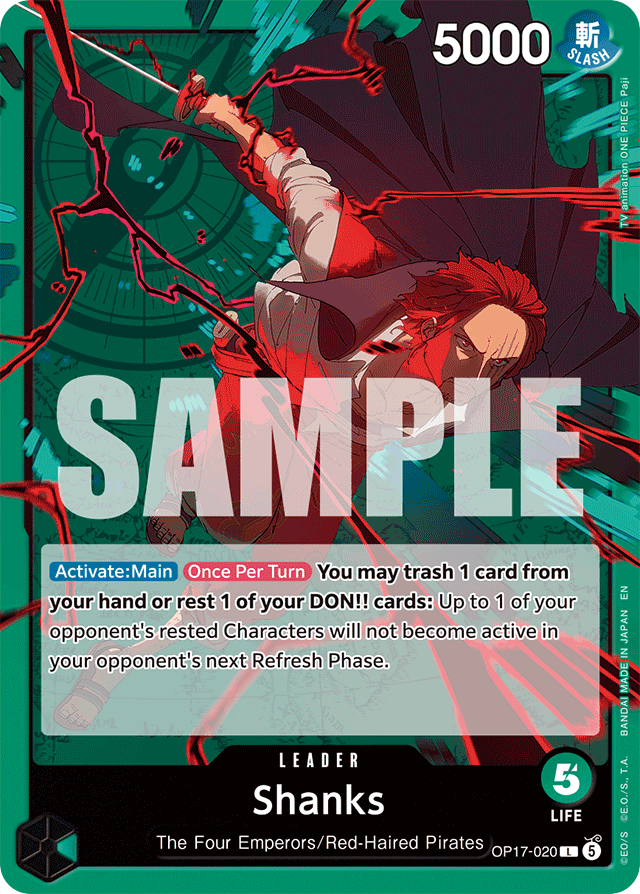
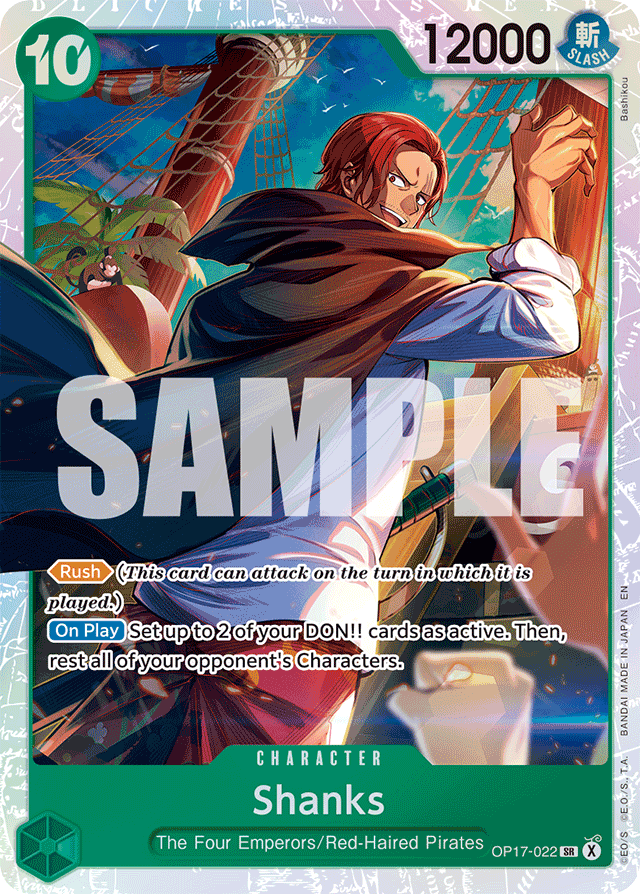
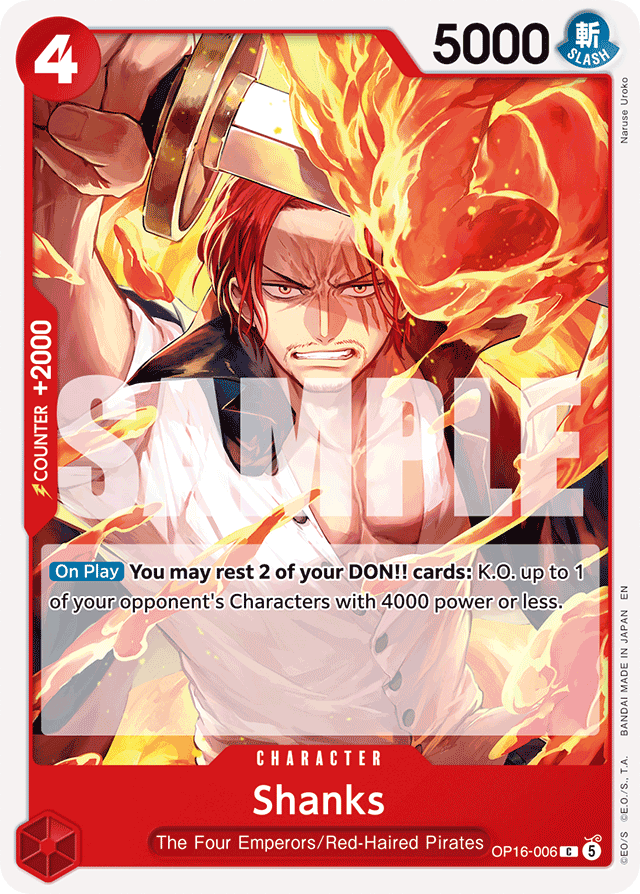
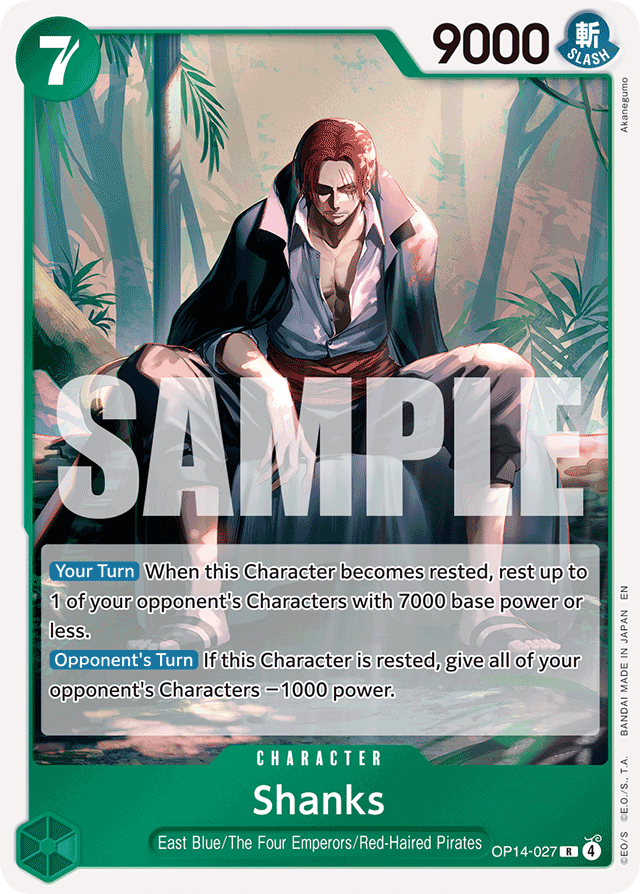
Price lists rarely tell the whole story. As the One Piece TCG has exploded globally, understanding how to read your one piece card game price data beyond just "Market Price" has become the defining difference between average collectors and successful investors.
From deciphering the difference between high-liquidity staples and low-velocity chase cards, mastering your one piece card game price reading gives you a massive edge.
The Liquidity Trap: High Price vs Slow Sales
A card might show a Market Price of $1,500, but if the sales velocity is only one copy per month, that one piece card game price is illiquid. When checking high-end pieces like Serialized Promos, the volume of sales matters just as much as the price point.
If you need to move an illiquid card quickly to fund a new purchase, you will almost certainly have to take a 15-20% haircut off the listed Market Price. Always factor liquidity into your portfolio's true net worth.
How Tournaments Dictate the Mid-Market
While Manga Rares are largely driven by pure collector demand, the $20 to $100 price bracket is notoriously volatile because it relies on player demand. When a new Leader deck dominates, the English one piece card game price for those required staples will instantly begin trending upward.
Tracking the meta is essentially tracking the mid-market. By watching Japanese tournament results (which are typically sets ahead of the West), you can predict which Super Rares in the English market are undervalued before they spike.
Condition Creep on Early Sets
As time passes, truly "Near Mint" (NM) copies of early sets like OP-01 Romance Dawn become exceedingly rare. Many raw cards listed as NM on marketplaces would actually grade closer to a PSA 8 due to edge wear or print lines.
When tracking a one piece card game price for older sets, pay extreme attention to condition. A perfectly centered, flaw-free OP-01 card often commands a hidden premium over the aggregated "Market Average".
Kaizoku's Live Pricing Architecture
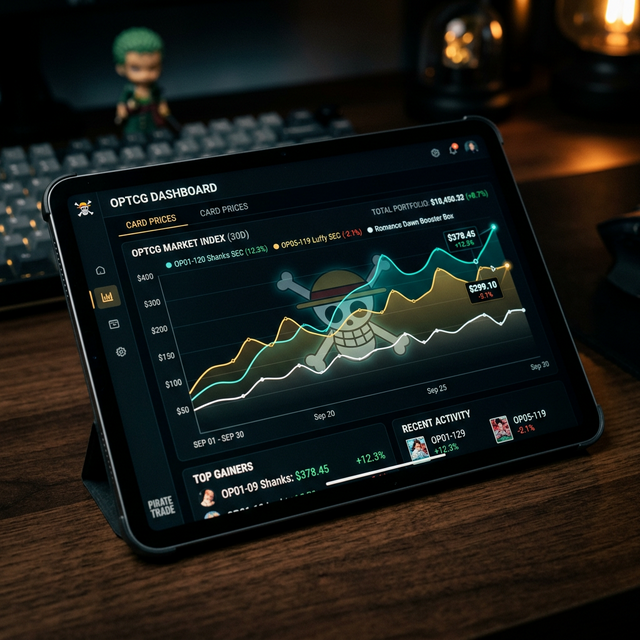
Static price guides are obsolete hours after publication. Kaizoku solves this by pulling real-time one piece card game price data against verified set codes. When you view a card, you aren't reading yesterday's news—you are seeing the current reality of the market.
This eliminates the friction of checking multiple storefronts. You get the aggregate median, the verified card art, and the immediate ability to add it to your digital vault for continued monitoring.