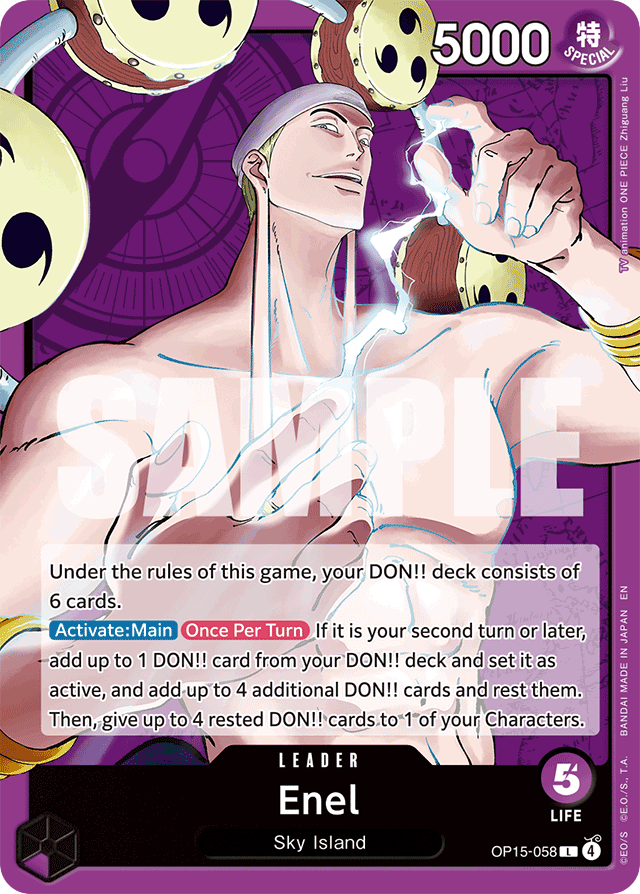
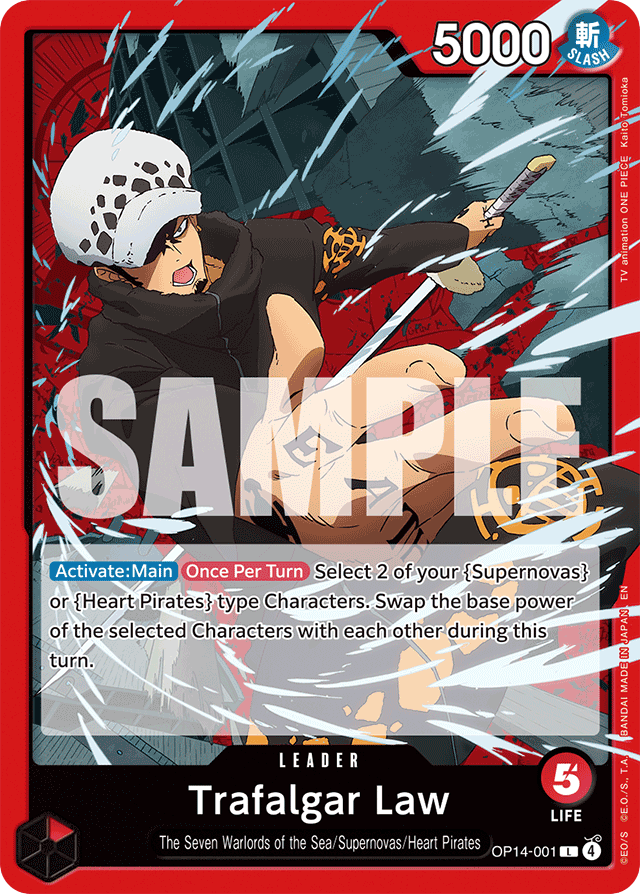
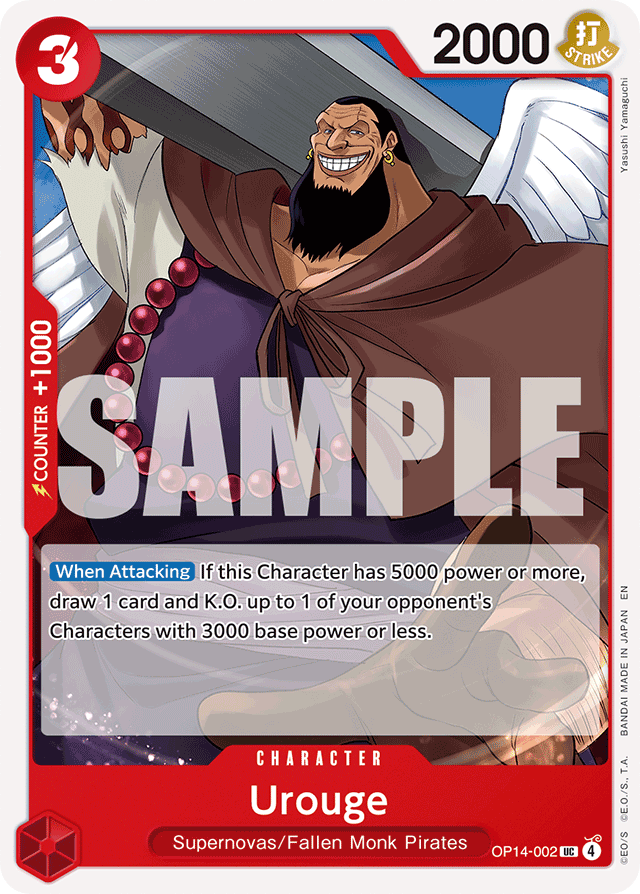
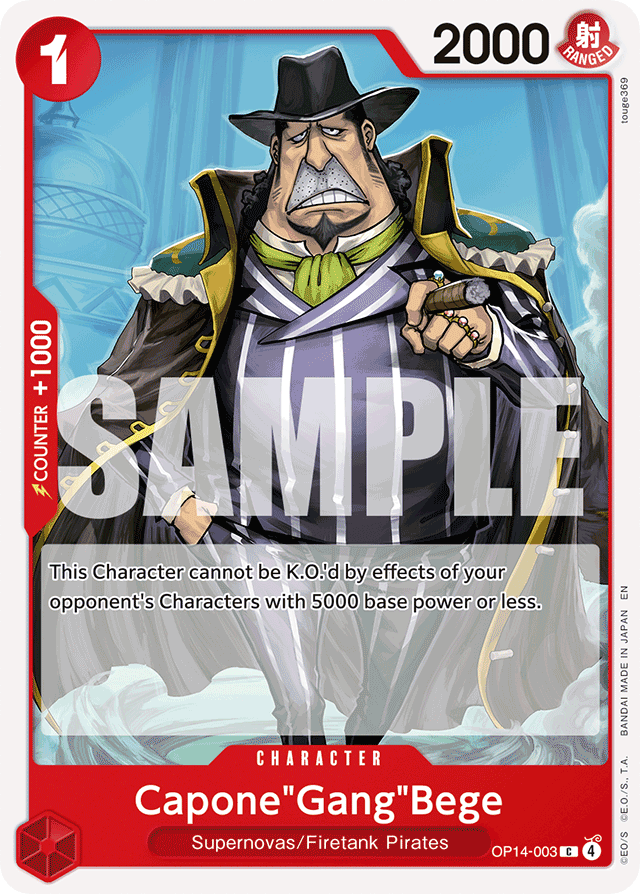
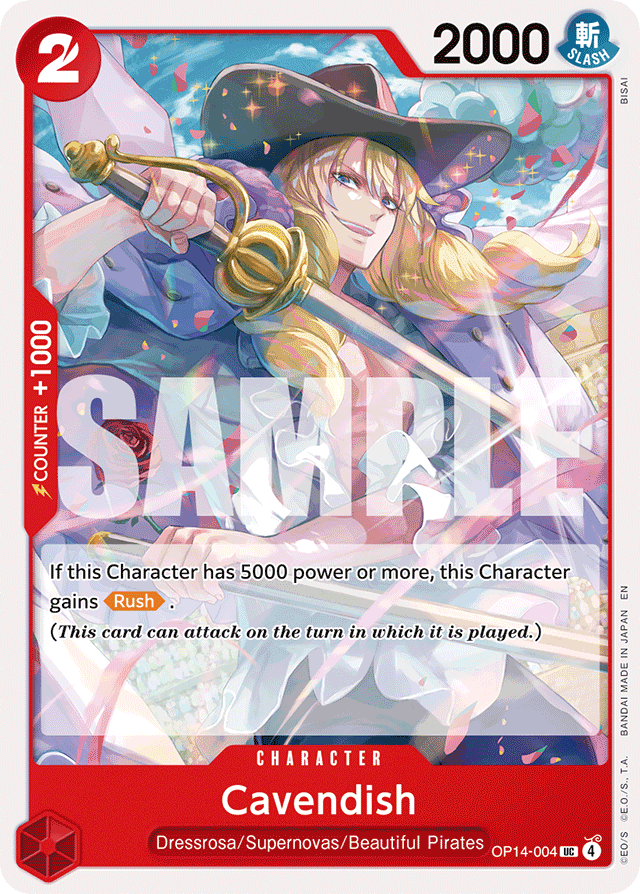
Navigating massive 150+ card expansions requires more than just scrolling through galleries. Whether you are building a competitive deck or hunting specific Alternate Arts, you need a one piece tcg card list workflow that cuts through the noise.
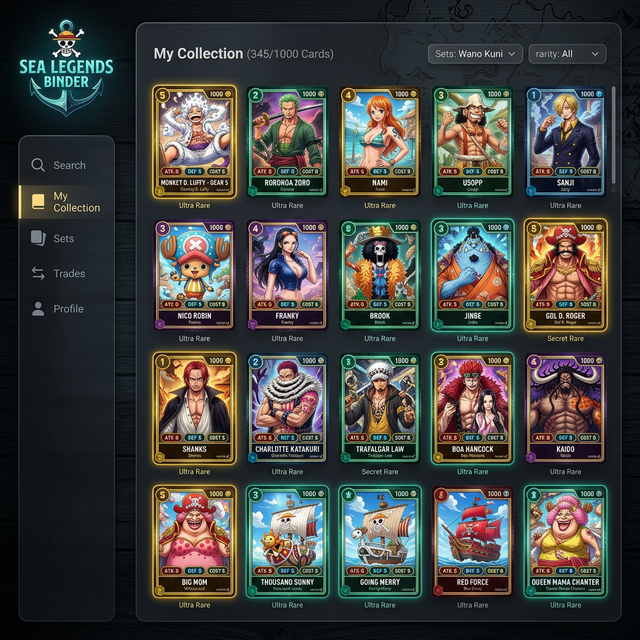
A strong one piece tcg card list tool doesn't just present images—it acts as a fast database for deck brewing, market reading, and set completist tracking.
Decoding Set Codes and Rarity Ratios
To be an effective collector, you must memorize rarity breakdowns. A standard OPTCG booster box generally contains 7 Super Rares (SR) and either 1 Alternate Art (AA) and 1 Secret Rare (SEC), or 2 AAs.
By using a categorized one piece tcg card list, you can visually map out all the AAs and SECs in a set to calculate the pull rates and decide if it is mathematically smarter to buy singles rather than ripping sealed product.
Spotting the "Sleeper" Rares and Uncommons
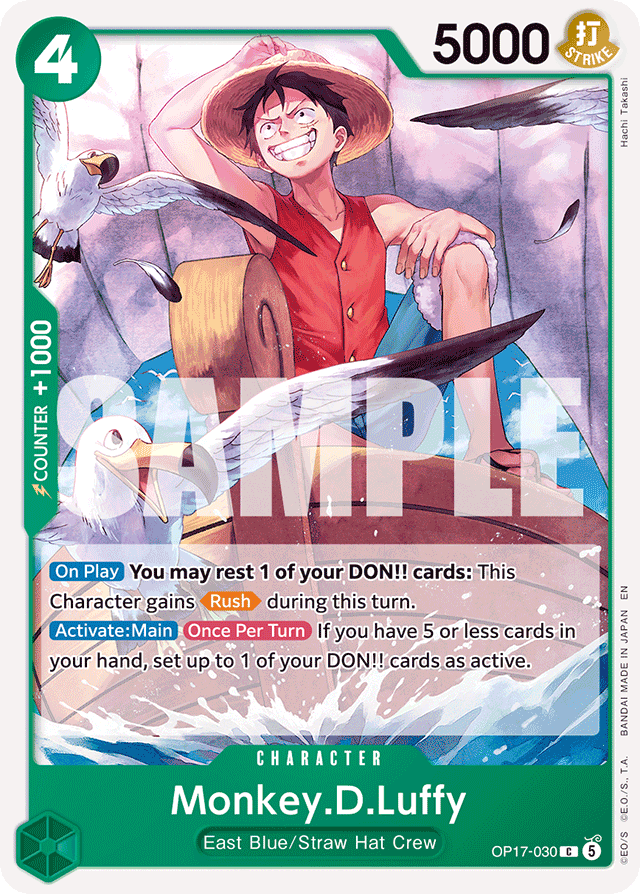
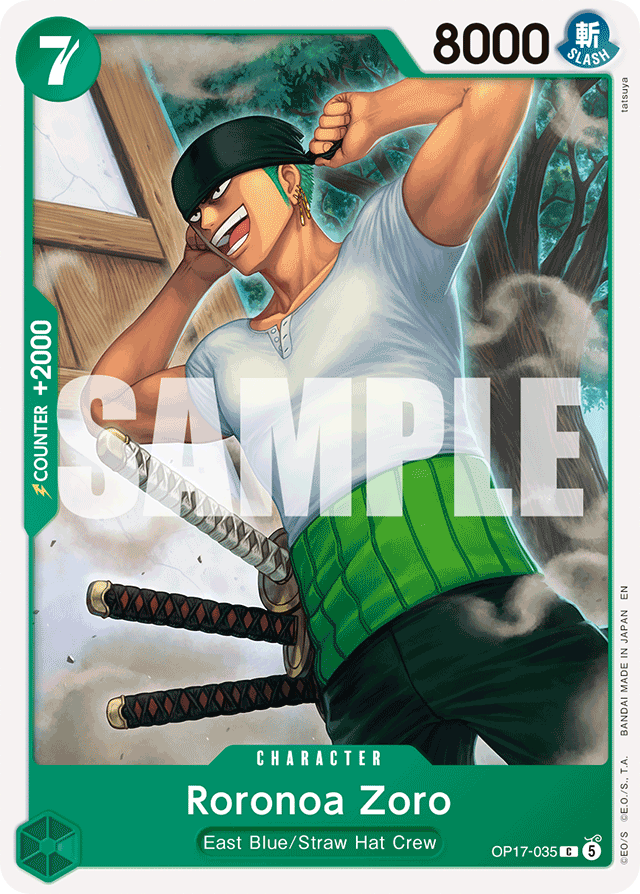
Every set has sleeper cards. These are typically Rares or Uncommons with wildly powerful effects (like a zero-cost counter or a searcher) that competitive players desperately need playsets of. Initially listed for $0.25, these can rapidly spike as tournament usage increases.
Scanning a one piece tcg card list specifically for 2K counters, Blockers, and searchers allows you to buy into these staples while they are essentially bulk, saving you massive premiums down the line.
The Challenge of Master Sets
A True Master Set contains every single card in an expansion, including all Alternate Arts, Secret Rares, and the elusive Manga Rare. This is an incredible undertaking that requires strict organizational discipline.
Using Kaizoku's robust one piece tcg card list functionality, you can systematically log your progress, identifying exact gaps in your binder by card number (e.g., missing OP14-073) and checking the live cost to acquire them.
Speed-Brewing for the New Meta
When a new set drops, players race to optimize their decks. Time spent scrolling poorly formatted wikis is time wasted. You need to instantly filter the new one piece tcg card list by your deck's Color and required Types.
By isolating the list to exclusively show "Blue" and "Seven Warlords of the Sea" cards, for instance, you can instantly identify the exact upgrades your deck needs without being distracted by irrelevant cards.