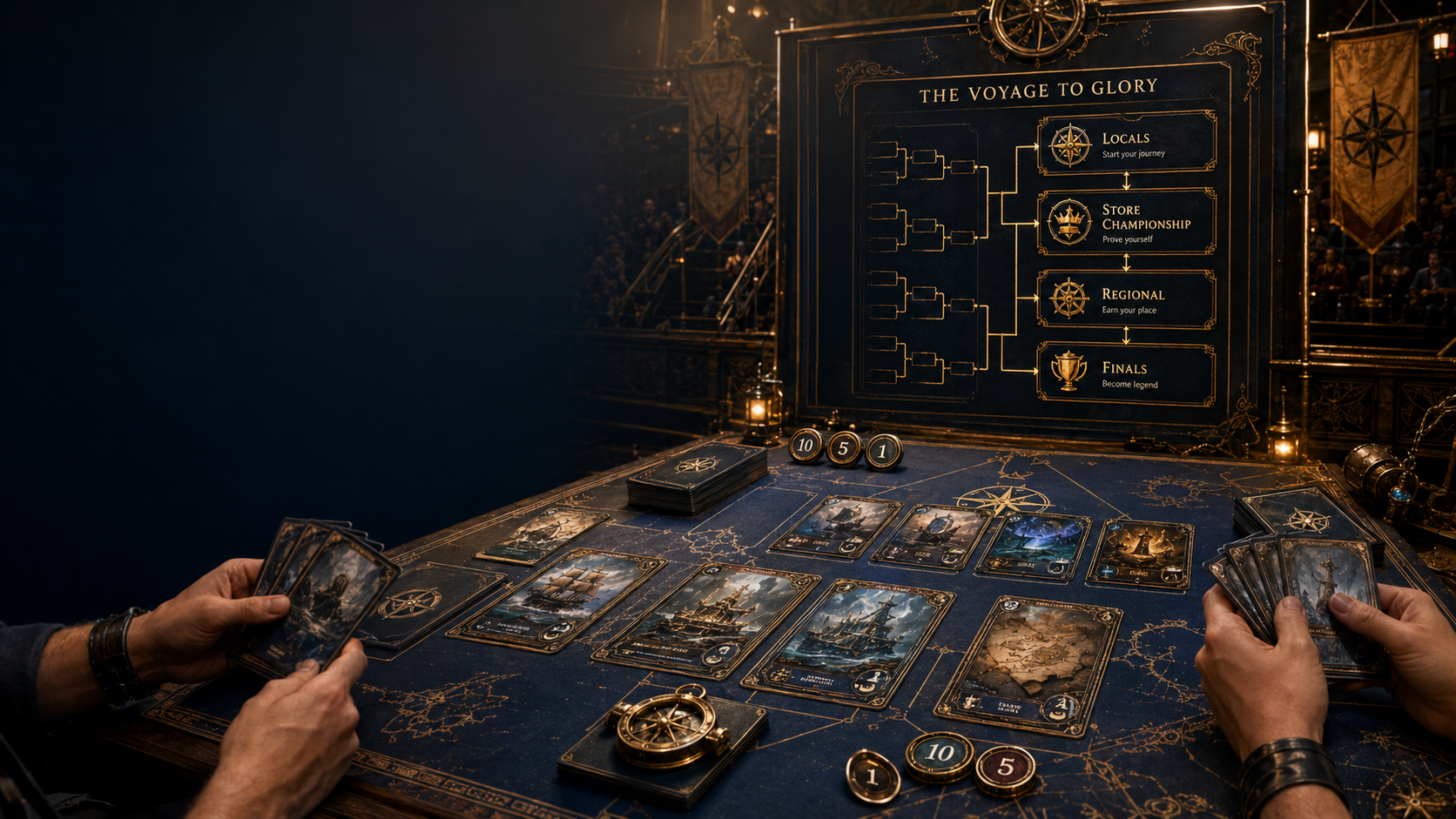
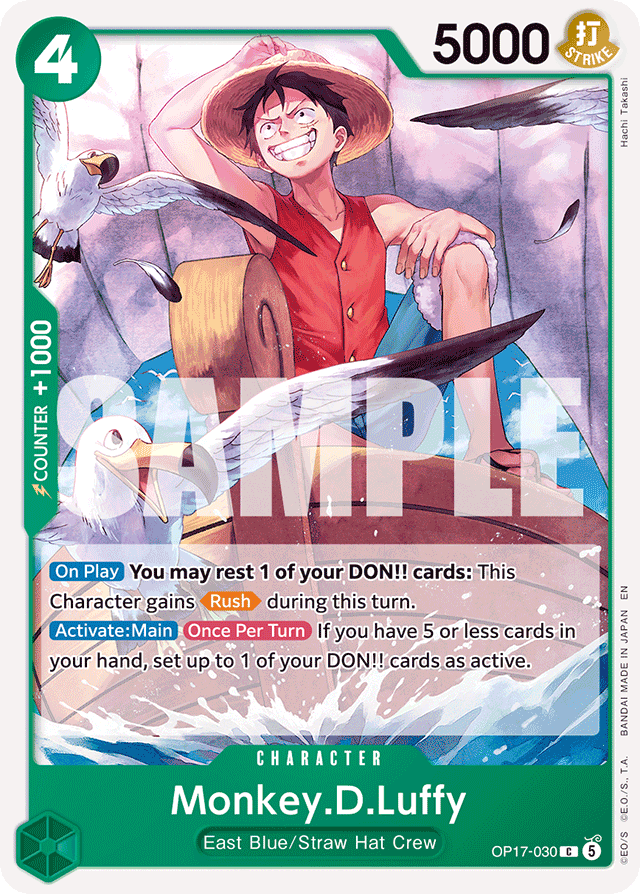
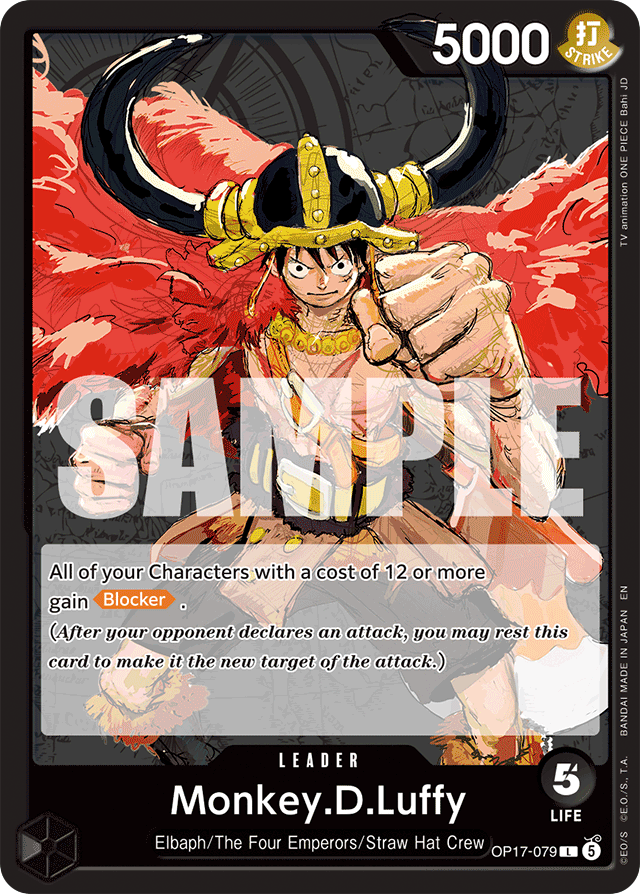
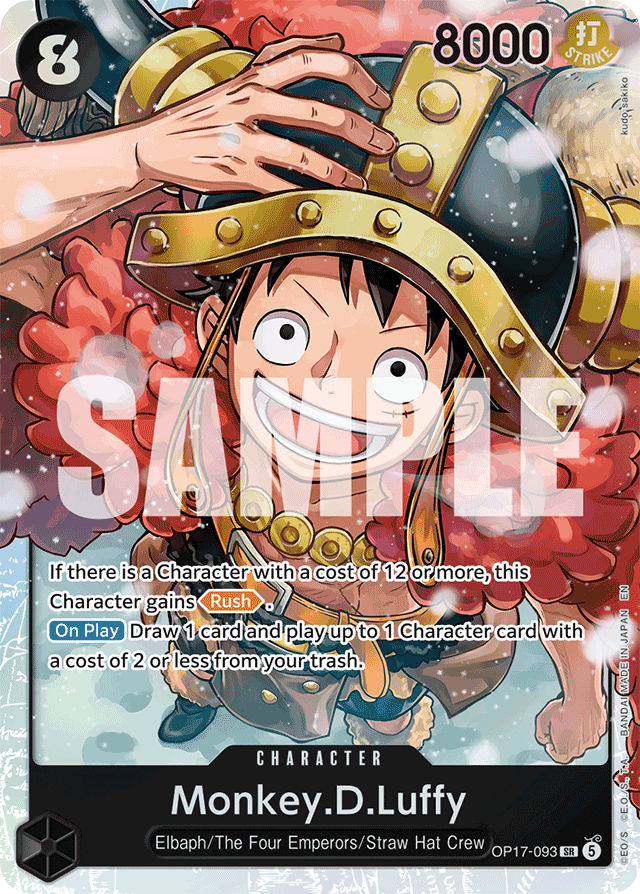
If you search One Piece events in 2026, the confusing part is not finding event names. It is understanding what those names actually mean. Pirates Party sounds casual because it is. Extra Grand Battle sounds major because it can be. Store Championships, Regionals, Treasure Cups, and Finals each sit in a different place on the ladder, and some of them use Standard while others exist to showcase Extra Regulation.
The official event pages now give enough detail to map this clearly. Pirates Party launched across Western regions on May 1, 2026. Extra Grand Battle for Stores followed on May 15 under the new Extra Regulation. The Championship 26-27 development letter also confirmed that major official tournaments are now offline, that Store Championships were expanded, and that Treasure Cups primarily run as Regional side events. Put together, that gives us a much cleaner answer than generic "organized play" explainers usually do.
Pirates Party Is the Casual Entry Point, Not Just Another Local
The official Pirates Party Vol. 1 page says the event ran from May 1 through June 30, 2026 across Western regions and was built to be more casual than current Store Tournament events. Bandai explicitly positioned it as easy to join whether you are brand new or just thinking about trying the game for the first time. That alone makes it different from the default local tournament mindset, where newer players often assume they need a finished meta deck just to participate.
Bandai also gave stores flexibility instead of locking Pirates Party into one rigid structure. Vol. 1 listed Constructed, Limited Deck Battle, 2-on-2 Battle, and Themed Battle as the four format buckets, although 2-on-2 was pushed to Vol. 3 and Themed Battle to Vol. 2. The practical takeaway is simple: Pirates Party is a funnel event. Its job is to reduce intimidation, drive repeat store attendance, and get more players comfortable using real cards rather than only the tutorial app or social media summaries.
Extra Grand Battle Is the Real Showcase for Extra Regulation
The official Extra Grand Battle for Stores 2026 May page is blunt: this event exists under the new Extra Regulation that started April 1, 2026, and in that format all cards released to date are legal except for a limited number of banned cards. For the May store season, Bandai listed the event period as May 15 to May 31, with 32-player Swiss events scheduled through participating stores in North America, Europe, Oceania, and Latin America.
This is the event series that proves rotation did not kill older cardboard. If your collection includes Block 1 leaders, early staples, or cards that lost Standard relevance, Extra Grand Battle is the format that gives them a real table again. The official development letter goes further and says Extra Grand Battle events are planned not only at local stores but also as side events at Finals and Regionals. In other words, Extra is not a forgotten side mode. Bandai has built an actual event home for it.
How the Championship Ladder Now Fits Together
The January 9 development letter laid out the broad 26-27 structure by region. For North America and Europe, each season includes Store Championships at local game stores plus large Regionals in major cities, with invites feeding into area Finals and then the World Championship. Latin America and Oceania use slightly different Finals structures, but the key point is the same: Store Championships and Regionals are the backbone of the serious path.
The same letter also announced that official tournaments would no longer be held online and that Treasure Cups, which had been online in some regions, would now be held exclusively offline and primarily as side events at Regional tournaments. That matters for collectors because side-event demand is still demand. Cards do not only move when the single best deck wins a Regional. They also move when side-event participation makes specific formats and nostalgia shells visible again.
Which Format Each Event Usually Uses
Bandai already gave the best rule of thumb in the development letter: Championship 26-27 tournaments, Store Tournaments, Release Events, and Store Treasure Cups use Standard Regulation unless specified otherwise. Pirates Party Vol. 1 also ran under Standard, even though its goal was casual access rather than high-stakes competition.
Extra Grand Battle is the clean exception because its whole reason to exist is Extra Regulation. So if you want the fast working model, use this one: Pirates Party is casual Standard, Store Championships and Regionals are serious Standard, Treasure Cups are mostly offline side-event Standard, and Extra Grand Battle is where your broad-card-pool Extra deck belongs.
What Players and Collectors Should Do With This
If you are a player, do not build for "organized play" as one generic category. Build for the event you are actually entering. A Pirates Party night may reward accessibility and experimentation. A Store Championship rewards Standard reps and metagame prep. An Extra Grand Battle rewards knowing exactly which older cards survived the transition into Extra and which banlist edges still matter.
If you are a collector, event structure affects card demand more than most people realize. Pirates Party creates broad beginner curiosity. Regionals create pressure around visible Standard staples. Extra Grand Battle can wake up older cards that looked dead on paper after rotation. That is why Kaizoku should not only track price. It should also help you understand why a card matters right now.