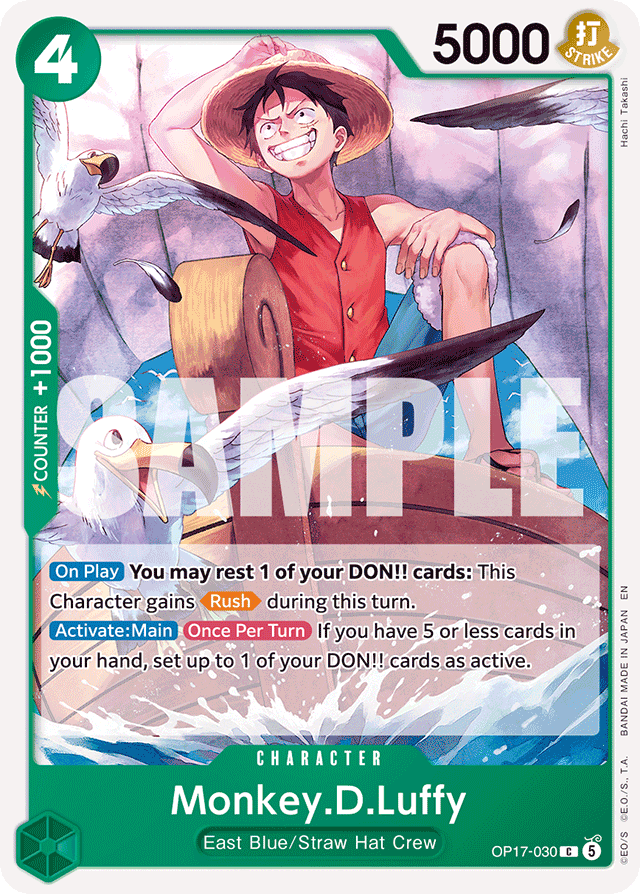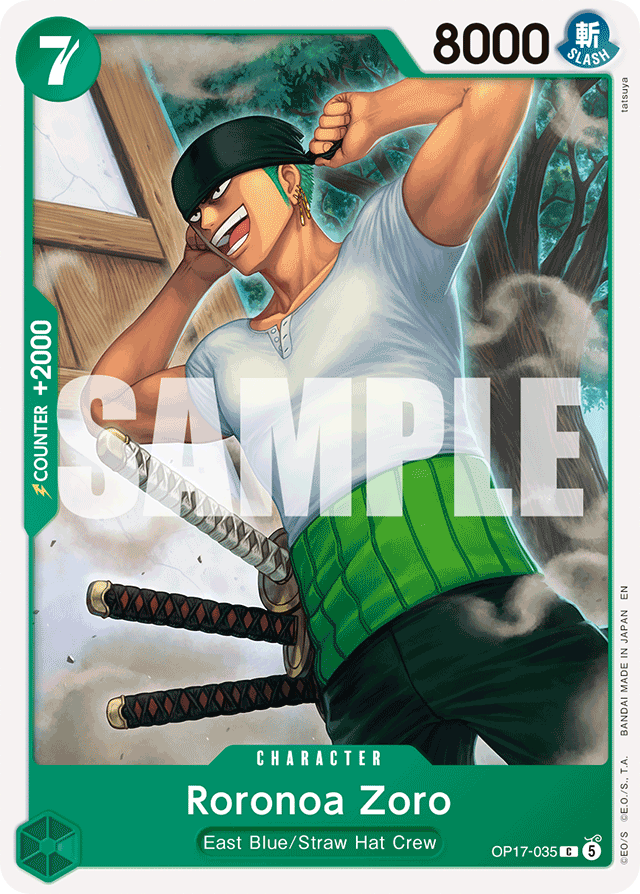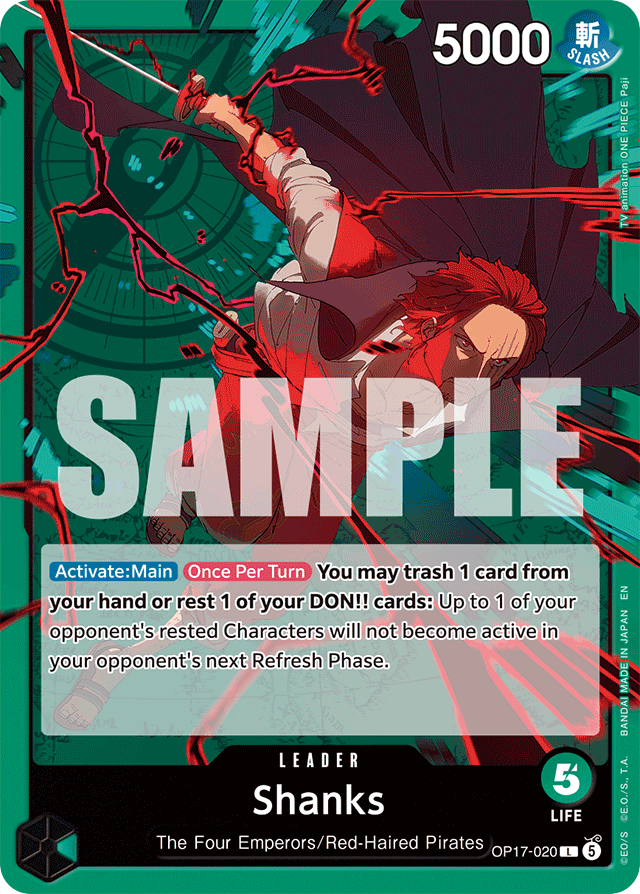
April 1, 2026 changed the structure of the ONE PIECE CARD GAME more than any normal banlist ever could. Official tournaments stopped using the old "everything is legal unless banned" mindset and moved to a formal Block Number system for Standard Regulation, while Extra Regulation launched as the pressure valve for older cards and larger card pools.
That created the exact kind of confusion collectors hate: one printing is legal, another looks identical but is not, some same-card-number and Super Parallel cards remain usable, and Extra events can suddenly make older cards matter again. This guide pulls the official 2026 rules pages into one readable explanation so you can understand legality, value, and search intent at the same time.
What Changed on April 1, 2026
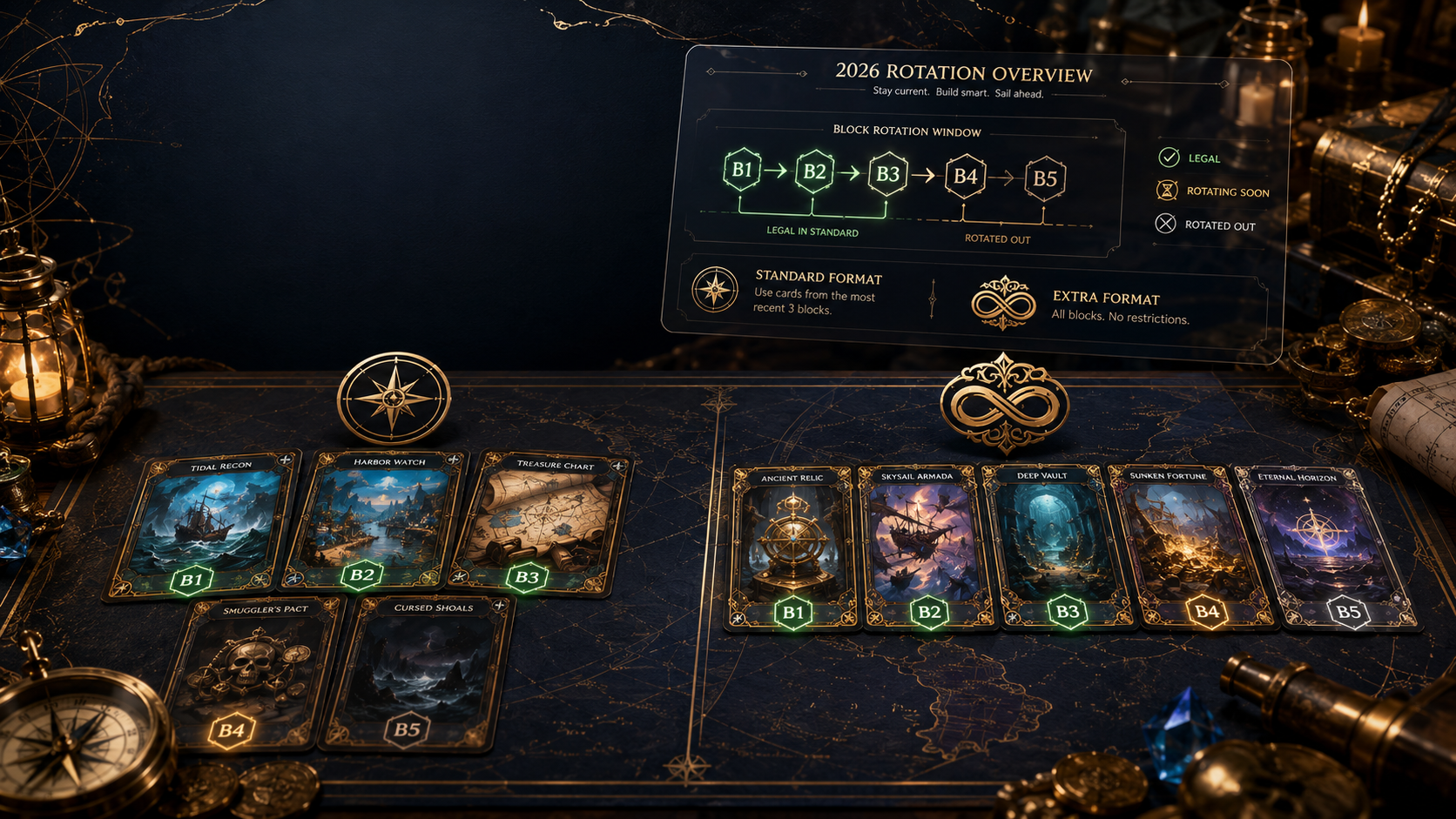
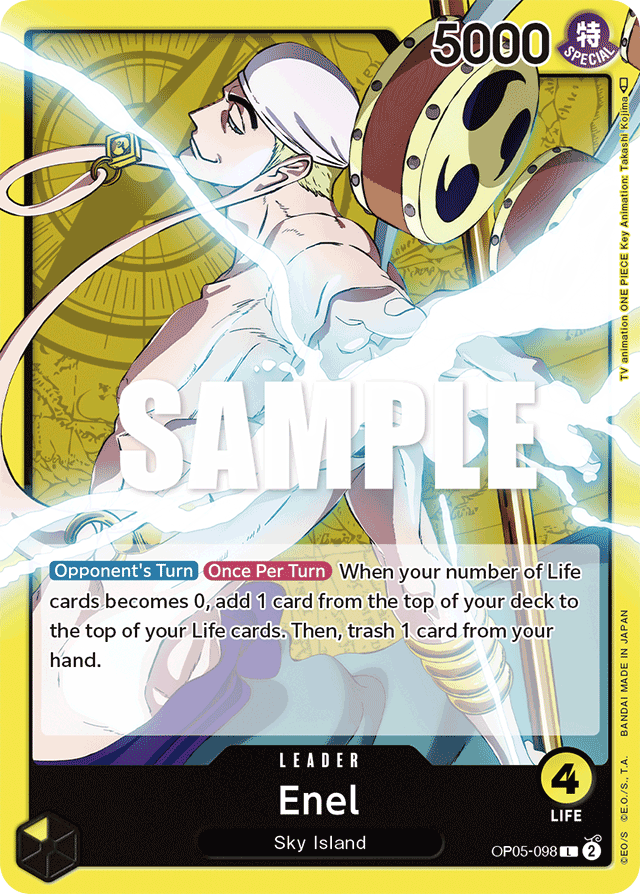
Bandai's January 9, 2026 development letter made the core change explicit: Standard Regulation would use the Block Icon in the lower-right corner of the card, and for the 2026-27 season the legal Standard pool would be cards with Block Icon 2 or higher. The same letter also confirmed that Championship 26-27 events, Store Tournaments, Release Events, and Store Treasure Cups use Standard unless Bandai says otherwise.
At the same time, Extra Regulation launched on April 1, 2026 as a second official format. Under Extra, all cards released to date are legal except for the banned, restricted, or banned-pair list. That split matters because "rotation" in One Piece does not mean older cards vanish from the game. It means they leave Standard first, then continue to matter through Extra, collector demand, and specific block-number exceptions.
How Block Numbers and Legality Updates Actually Work
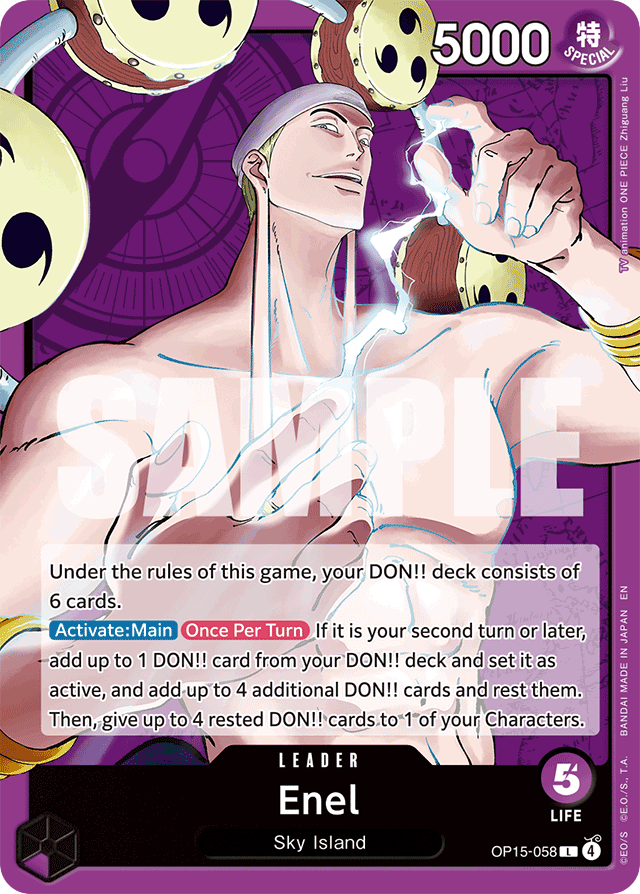
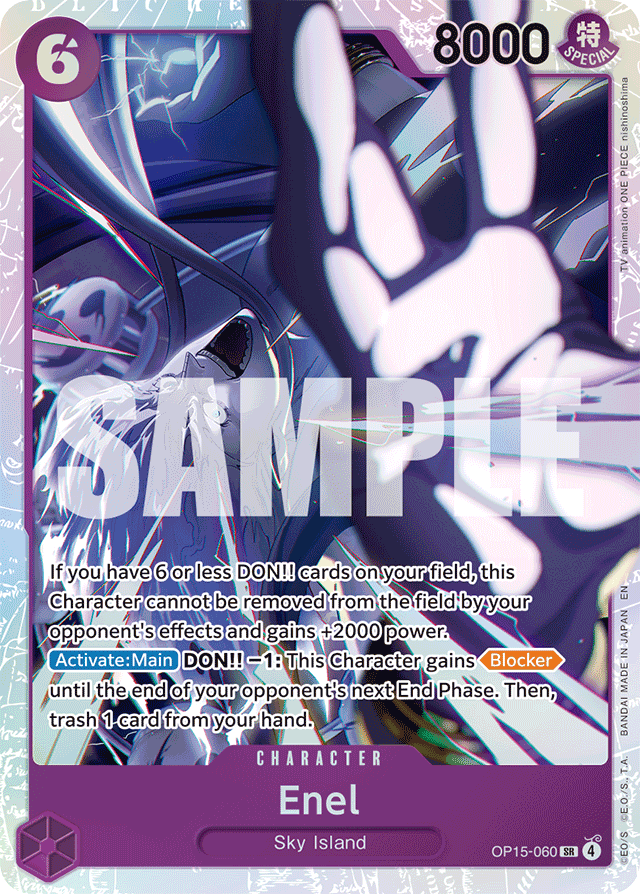
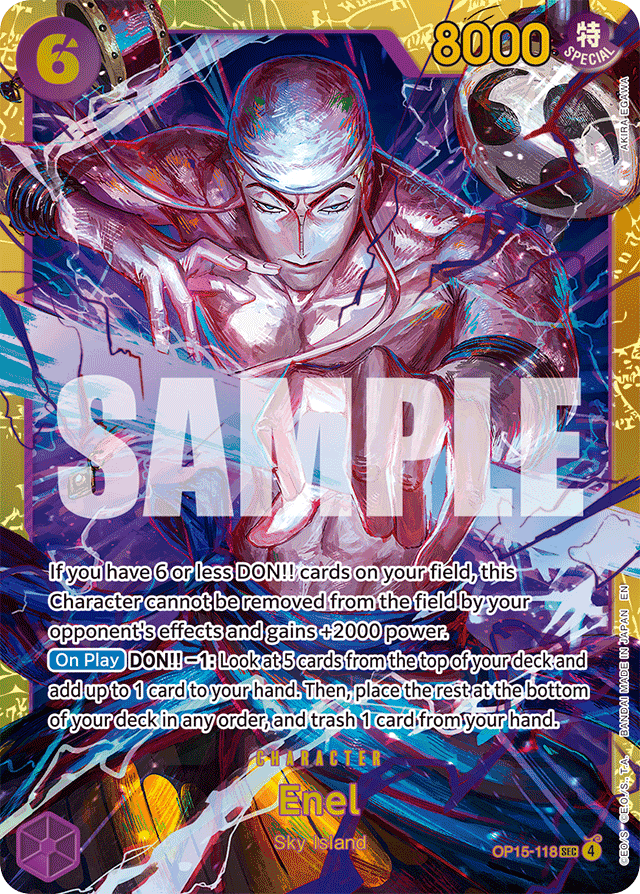
The official Block Number update page from May 29, 2026 is the most useful follow-up document after the original rotation announcement. It clarifies that Super Parallel Rare cards from past products, along with cards that share the same card number, generally remain legal for Standard even if they were not reprinted in the most obvious way. That is a big deal for collectors because legality is no longer something you can guess from artwork alone.
Bandai also published a list of card numbers that are treated as Block Number 4 regardless of reprint history, and those cards remain legal in Standard through March 31, 2029. In practical terms, you cannot evaluate a card's tournament status by character name or set age alone. You need the exact card number, the relevant block treatment, and any official update page that overrides the default assumption.
Why Extra Regulation Matters More Than People Think
Extra Regulation is not just a nostalgic side mode. The official development letter says Extra Grand Battle events are planned at local stores, and Extra also appears as a side-event structure alongside larger organized play. That means older leaders, early staples, and rotated support pieces can still generate real gameplay demand instead of becoming purely binder cards.
Bandai also confirmed that the same banned, restricted, and banned-pair list applies to both Standard and Extra events. However, it separately announced that several Block Icon 1 cards would no longer be banned in Extra starting April 1, 2026, including Great Eruption, Moby Dick, Enies Lobby, and Ice Age. So the important distinction is not "Standard has bans and Extra does not." The distinction is that Extra keeps the full historical card pool alive, then trims it with the shared restriction framework.
What the April 10, 2026 Banlist Update Means After Rotation
Bandai did not leave the post-rotation environment untouched for long. The April 10, 2026 banned and restricted update introduced a banned pair: OP07-115 I Re-Quasar Helllp!! and EB04-058 Borsalino cannot be included in the same deck. The official explanation was that this combination had spread more broadly than expected, especially in Yellow-inclusive decks, and was contributing to longer game times than intended.
That update matters because it shows how the 2026 format should be read: rotation defines the card pool, official block-number updates create exceptions, and banlist revisions still adjust the play environment on top. If you are writing SEO content or tracking cards in Kaizoku, those three layers need to be kept separate. "Rotated" is not the same thing as "banned," and "old" is not the same thing as "dead."
How Collectors Should Use This Information
For collectors, the biggest mistake is flattening every old card into one bucket. Some cards lose Standard demand and cool off. Some keep value because their art, rarity, or exact card number still matters. Some regain practical demand because Extra Regulation and Extra Grand Battle create a reason to own and test older shells again. The value story depends on legality, but it also depends on where the card still has an audience.
For Kaizoku users, rotation makes exact matching more important, not less. Search by card number, check the set code, compare variants, and keep notes on which cards matter for Standard, which still have Extra relevance, and which are primarily collector pieces. That is the difference between treating the app like a gallery and using it like a real collection system.