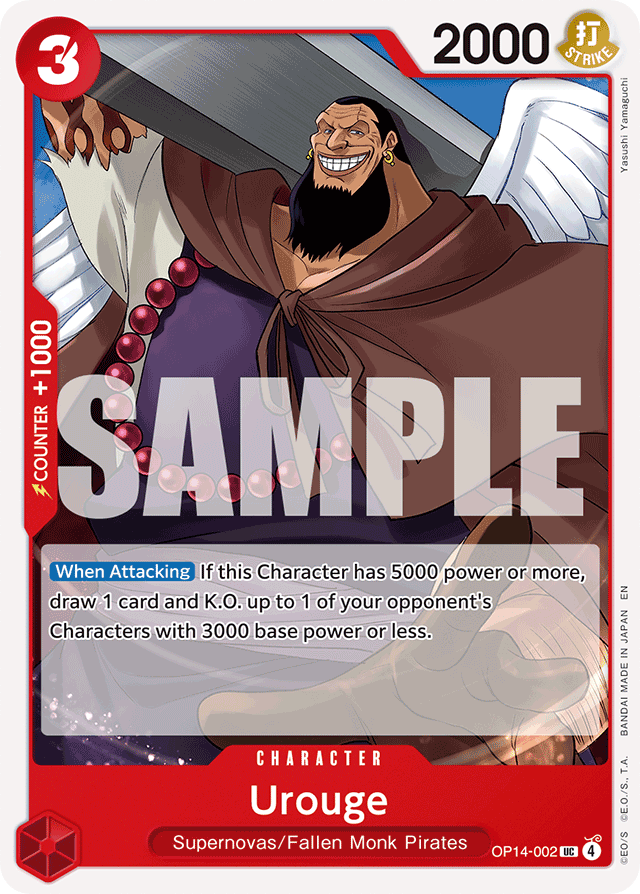
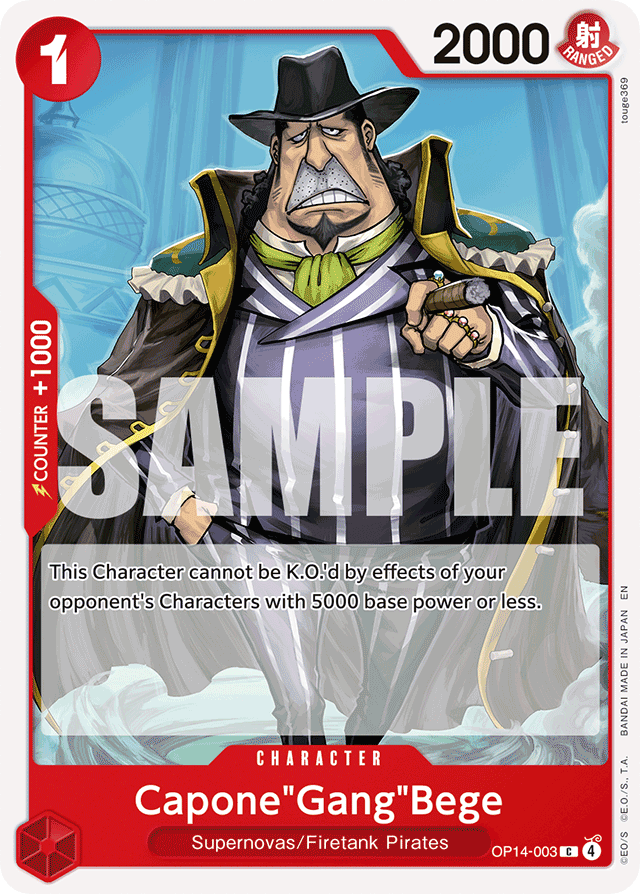
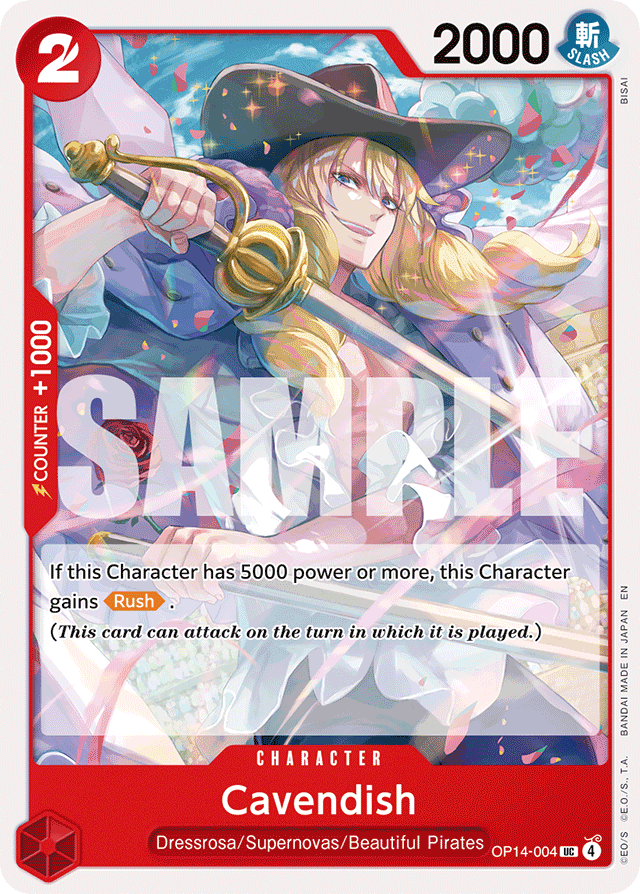
OP14 "The Azure Sea's Seven" is a transformative set that dramatically redefines the competitive environment. Featuring heavy tribal support for the Seven Warlords of the Sea, this op14 card list requires strict attention from both players and investors.
Mastering the op14 card list isn't just about checking prices—it's about identifying which meta-defining cards you need to secure before they dominant regional tournaments.
The Seven Warlords Meta Shift
The primary feature of the op14 card list is the influx of new Warlord Leaders—notably Donquixote Doflamingo (Purple) and Gecko Moria (Black/Yellow). Doflamingo effectively stalls opponents while establishing massive bodies.
If you plan to play competitively, securing playsets of the Super Rare (SR) support characters tied to these specific Leaders within the first two weeks of release is crucial before tournament results inflate their prices.
Chase Pulls: The Alternate Arts
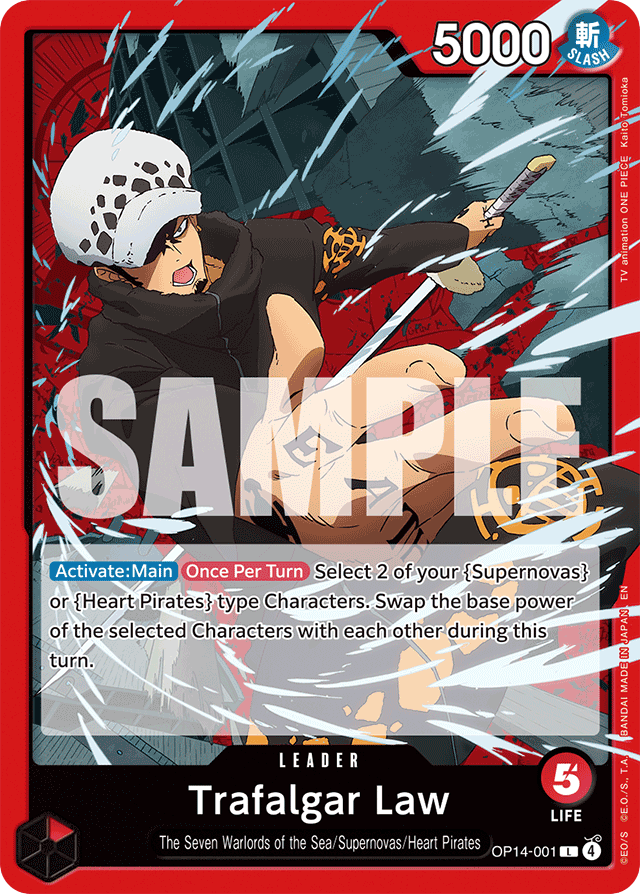
Beyond the base SRs, the Alternate Arts (AAs) in the op14 card list are visually spectacular. Expect massive premiums on the AA Leaders, as "blinging out" a strong Warlord deck is highly desirable. Trafalgar Law and Boa Hancock AA Leaders will demand heavy aftermarket prices.
When evaluating your op14 card list pulls, prioritize grading AA Leaders that exhibit flawless pristine edges, as they command the steepest multipliers at a PSA 10.
Identifying Crucial Low-Rarity Staples
Never overlook the Commons and Uncommons in a Warlords-heavy set. Searchers (cards that let you look at the top array of your deck to draw a specific type) and 2K Counters in the op14 card list will be heavily traded.
Sorting your bulk immediately to isolate these playable low-rarity staples allows you to effortlessly trade or sell playsets to local players seeking to bypass buying booster boxes.
Navigating Pre-Release Pricing
Pre-release weekend pricing for any op14 card list staple is predictably inflated. Players will pay a "tourney tax" to get the cards they need for the very first round of local events. If you pull a highly sought-after Secret Rare or AA and don't intend to play it, sell it immediately.
You can generally rebuy that same card three weeks later when supply peaks for 30% less, banking the profit.