OP16 is no longer just a placeholder keyword. The official product page is live, the Western release date is locked to June 12, 2026, the set theme is confirmed as Paramount War, and the official FAQ was updated on June 26. That means search intent has moved out of pure speculation and into a more useful phase: people now want to know what the set actually adds, which leaders it pushes, and how to navigate the card list efficiently.
That is where most OP16 content still wastes time. It chases mystery-card hype instead of helping readers understand the structure of the product. The official page already gives enough information to build a much better collector and player guide: six new leaders, clear deck themes, SEC highlights, Super Alt-Art positioning, release timing, and tournament legality timing. This post focuses on that higher-value layer instead of rumor farming.
What Bandai Has Officially Confirmed About OP16
The official Western product page labels OP16 as BOOSTER PACK -THE TIME OF BATTLE- and confirms the release date as June 12, 2026. Bandai lists the set as 126+1 card types in total, sold at an MSRP of USD $4.99 per pack, with the usual spread of Commons, Uncommons, Rares, Super Rares, Secret Rares, Leaders, Specials, a Treasure Rare, and DON!! cards.
The page also confirms a practical legality detail many collectors overlook: cards from the product become tournament legal seven days after release in your region, but they are legal from the pre-release date in your local game store. That matters for both players planning events and collectors trying to understand when singles can start moving because of real deck usage rather than pure pre-launch speculation.
Why OP16 Is Structurally Important, Not Just Hype
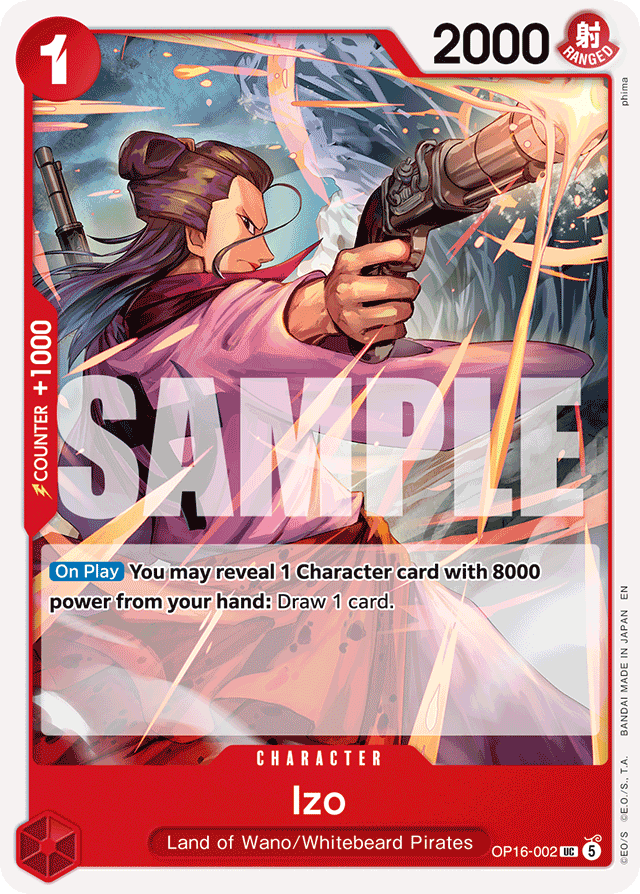
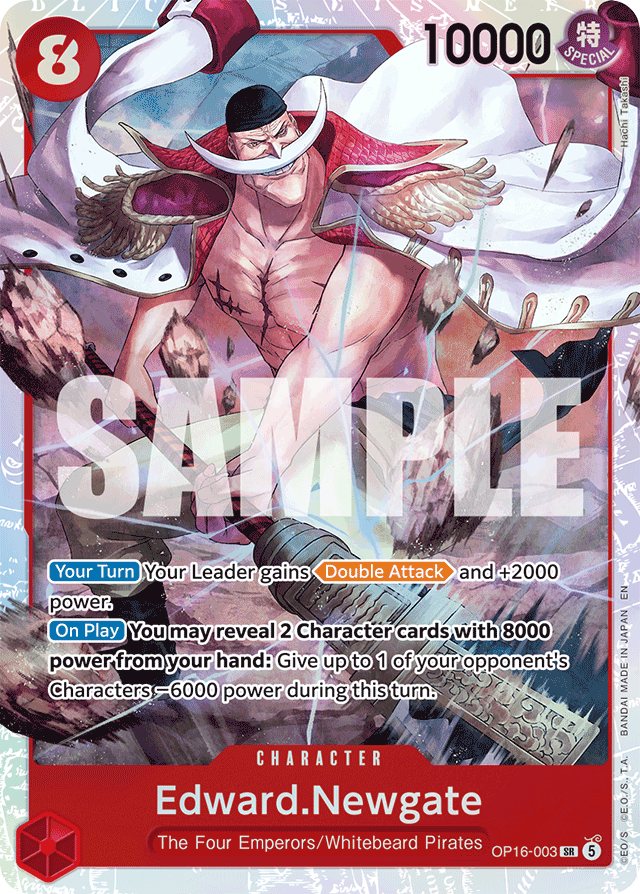
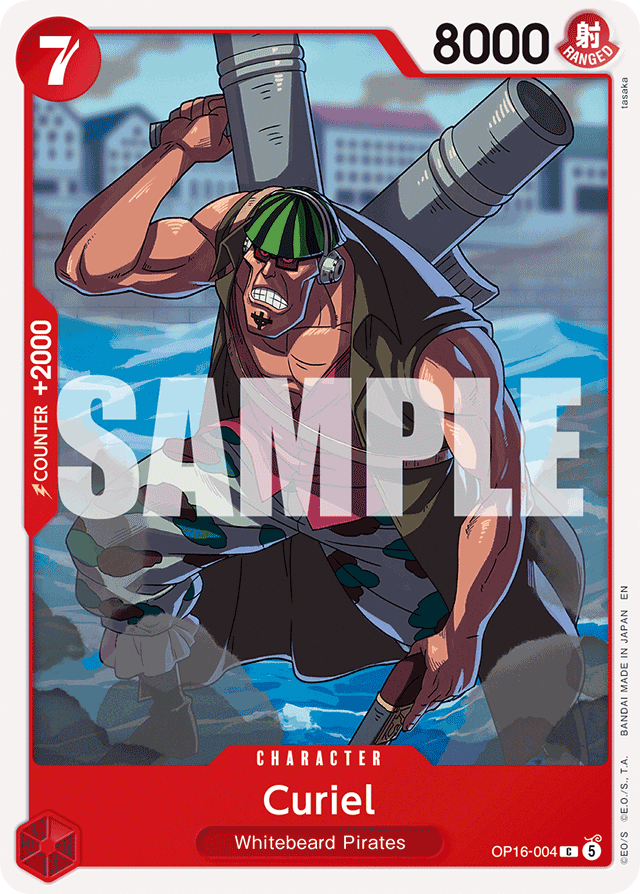
Bandai positioned OP16 around the Paramount War theme, and the official page repeatedly leans into that identity rather than treating the set as a generic card dump. It highlights that many characters from the legendary battle appear in the set, and the product page builds its leader and deck framing around those factions and scenes instead of only listing card names.
For collectors and players, that matters because OP16 is a set people approach in multiple ways at once: by code, by leader, by scene, by sealed product, and by single-card chase. That makes set-level guidance and card-list navigation more valuable than a one-note chase-card article.
The Six New Leaders Tell You How the Set Is Meant to Be Read
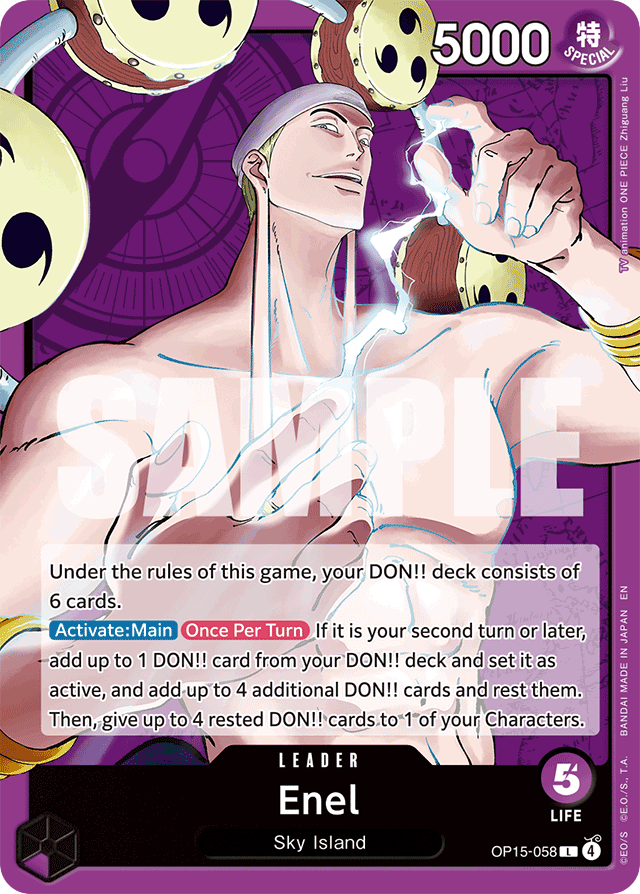
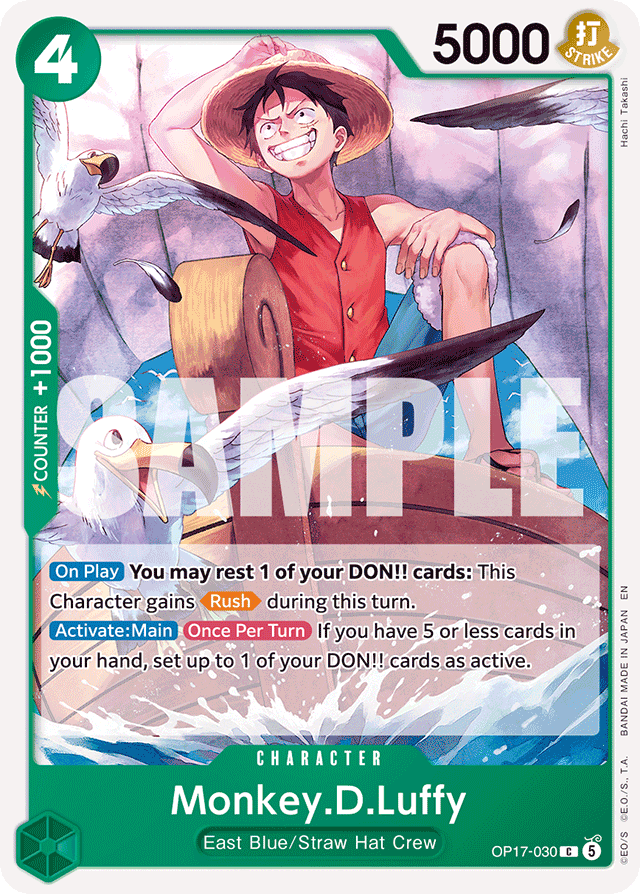
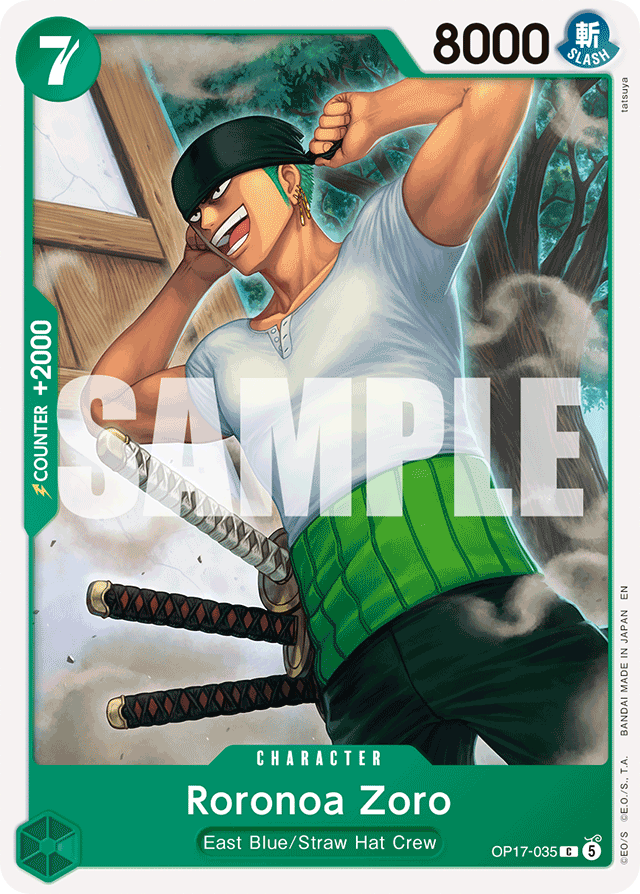
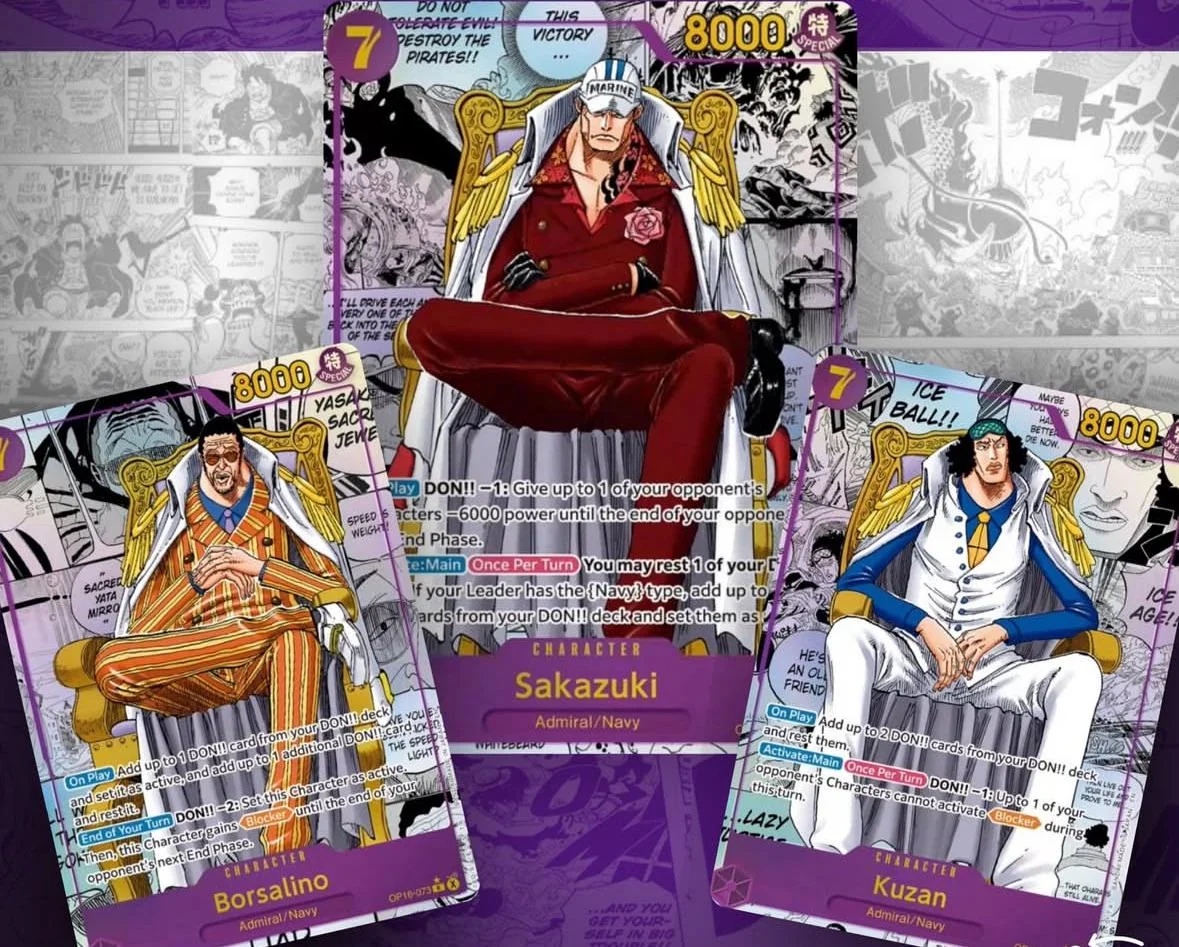
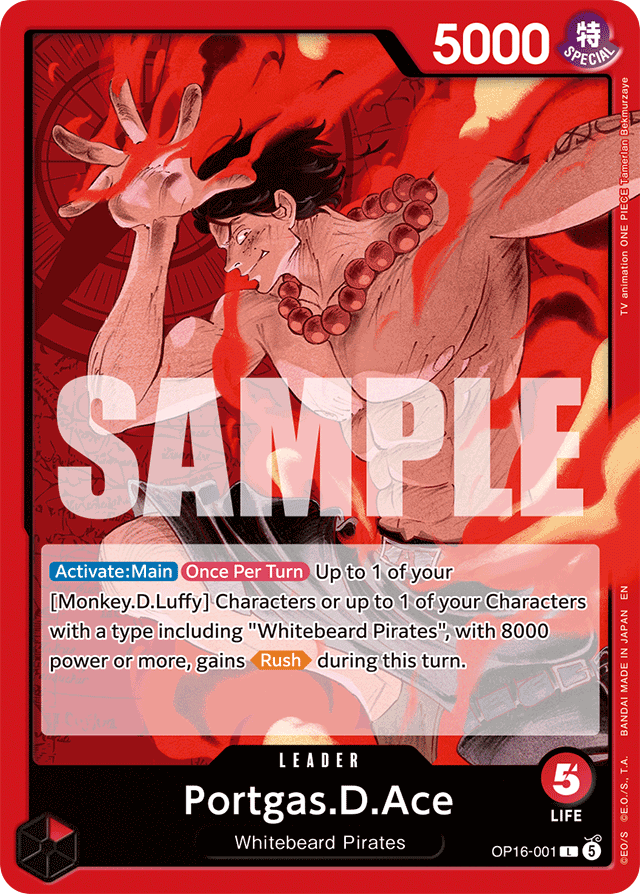
The official page names six leaders and attaches a deck identity to each one. Portgas.D.Ace is framed as a fast red Whitebeard Pirates deck that burns through Life. Monkey.D.Luffy is a green-blue Impel Down and Straw Hat Crew prison-break deck. Buggy is a blue convicts deck built on numbers and pressure. Sengoku is a purple Navy shell centered on the Three Admirals. Yamato is a black Wano deck that uses transforming characters and the trash. Marshall.D.Teach is a black-yellow Seven Warlords and Blackbeard Pirates deck built around drawing in attacks and manipulating fate.
That is more than flavor text. It tells players how to browse the set and tells collectors what to monitor first. If a set has six clearly signposted leader shells, demand will not be evenly distributed. The earliest useful scans are the leaders, the obvious shell cards around them, the SECs that anchor collector attention, and the splashable cards that slip into existing decks outside their intended lane.
What Collectors Should Watch First in OP16
Bandai already identified two obvious premium hooks on the product page: Portgas.D.Ace and Marshall.D.Teach debut as Secret Rares, and the set's Super Alt-Art treatment goes to the Three Admirals. Those are the easiest places for collector attention to concentrate, even before the full singles market settles.
Just as important, the official FAQ page shows OP16 support was updated again on June 26, 2026. That means rules text and interpretation are already in active circulation. Serious collectors should treat the FAQ and final card-list presentation as part of the product, not a side detail. Small wording or interaction clarifications can change which cards become staples, which in turn changes what people actually search and buy.
How to Use Kaizoku to Search OP16 More Efficiently
If you are trying to turn OP16 traffic into useful behavior, the first step is not to dump every spoiler into a folder. Search by set code, then sort mentally by leader shell, rarity, and role. That is how readers move from broad set interest into card-level decisions. Kaizoku is strongest when it helps bridge that gap: from "show me OP16" to "show me the exact OP16 cards this leader wants" to "show me the version I actually own."
That is also why the OP16 blog lane is worth keeping prominent on the landing page. The query is active, the set is current, the official product page has enough structure to support real guidance, and the resulting searches lead naturally into scans, set browsing, and collection updates rather than dead-end content consumption.