A lot of One Piece TCG coverage assumes the reader is already deep in the game. That leaves a gap in the exact place Kaizoku can be most useful: the point where someone is deciding how to start, what to buy first, and whether a starter product is actually strong enough to learn with. The July 31, 2026 starter deck wave fixes that problem better than a speculative chase-card article ever could.
Bandai is not treating ST31-ST36 like filler product. It announced six new starter decks at once, built a dedicated Beginners Deck Party around them from July 31 through August 30, and positioned the decks as ready-to-play entry points that still connect to the current OP16 environment through the included booster pack. That makes this launch a real editorial topic, not just a product listing.
What Is Actually Releasing on July 31, 2026
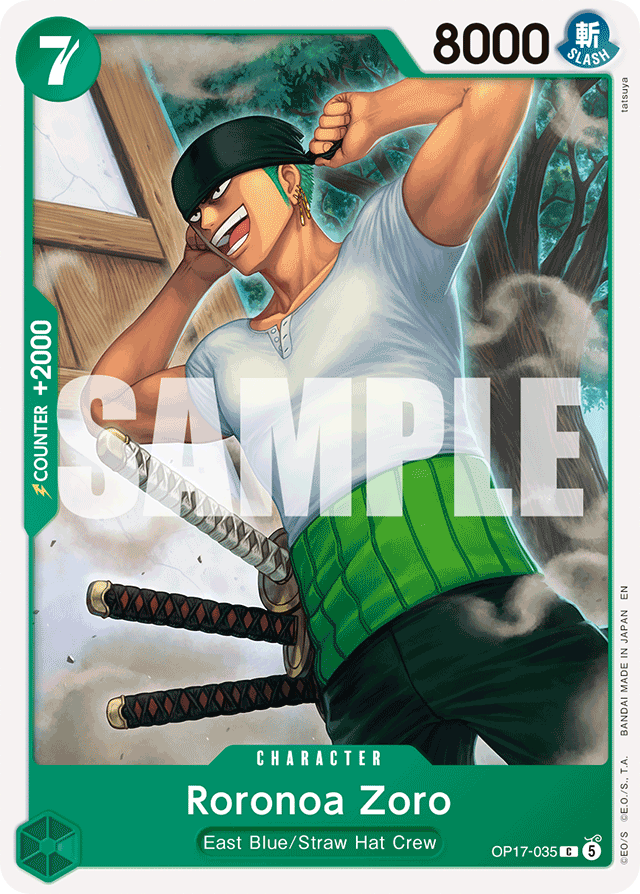
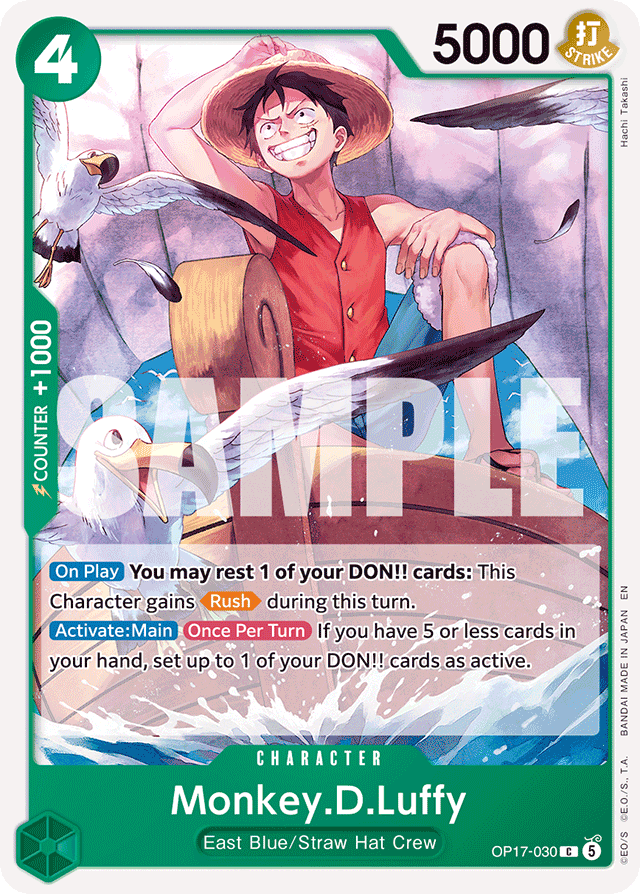
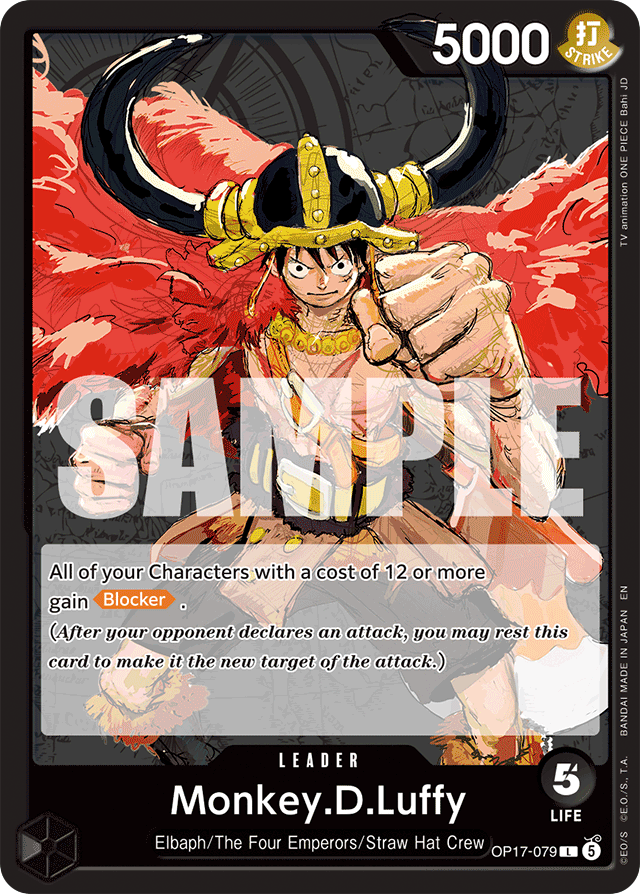
Bandai's official deck pages and July product listing confirm six starter decks releasing together on July 31, 2026 at USD $11.99 each: ST-31 Red Monkey.D.Luffy, ST-32 Green Roronoa Zoro, ST-33 Blue Kuzan, ST-34 Purple Charlotte Katakuri, ST-35 Red/Black Sabo, and ST-36 Yellow Eustass"Captain"Kid. That alone makes this wave unusual. Instead of one starter deck asking new players to accept a single playstyle, Bandai is offering six different entry points at once.
The product structure is also consistent across the line, which matters for beginners and collectors comparing value. The official pages describe each deck as including a 51-card constructed deck, 10 DON!! cards, a playsheet, and one OP-16 booster pack. So even before upgrades, you are not only buying a tutorial deck. You are buying a starter product that immediately links into the current live booster environment.
Why This Wave Is More Useful Than Buying Loose Cards First
If you already know the game, buying singles is often more efficient. But that logic breaks down for new players because they do not yet know what good sequencing feels like, what card counts matter, or which leaders they actually enjoy piloting. A starter deck gives a controlled learning environment: one leader, one obvious plan, and a legal deck you can put on a table immediately.
That matters even more here because Bandai paired the product line with a starter-deck-only event. The official Beginners Deck Party page says the event is limited to ST-31 through ST-36, which deliberately levels the playing field. A new player is not being dropped straight into an arms race against fully tuned meta lists. They are being given a more constrained environment where deck choice, fundamentals, and familiarity can matter more than raw wallet pressure.
How the Six Decks Split by Playstyle
Bandai's official product pages already make the clearest high-level distinction. ST-31 Luffy is presented as a fast mono-red aggro deck. ST-33 Kuzan is a mono-blue control deck. ST-34 Katakuri is a mono-purple future-sight control deck. ST-35 Sabo is a red-black midrange combat deck. Even where the official snippets are lighter on full strategic detail, the product framing still tells you the core point: this wave is intentionally diversified by player temperament, not just by character branding.
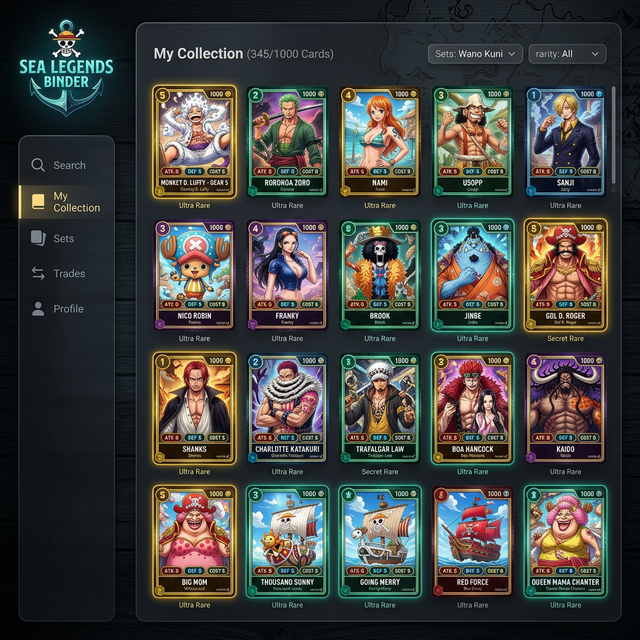
That is the real reason this topic fits Kaizoku. A scanner and tracker app becomes more useful when it helps people keep the first deck they actually care about organized. A player who starts with Luffy wants quick upgrades and easy card lookups. A player who starts with control shells like Kuzan or Katakuri wants tighter tracking around exact deck pieces and later upgrades. The app benefits when the blog helps users choose a lane that they will keep investing in.
Beginners Deck Party Is the Hidden Story Behind the Product Launch
The official Beginners Deck Party 2026 page turns this from a normal product announcement into a better editorial topic. Bandai set the event window from July 31 to August 30, 2026 and explicitly says the tournament is limited to ST-31 through ST-36 so beginners can join more easily. That means the decks are not only retail items. They are the backbone of a month-long onboarding event.
Editorially, that matters more than a normal MSRP bullet point. It answers the practical question readers actually have: if I buy one of these, what do I do next? The answer is not "wait until you own more staples." The answer is "take it to the event Bandai designed for it." That creates a clean content funnel: starter deck guide, event explainer, deck choice, then card tracking and upgrade behavior inside Kaizoku.
How Collectors and Kaizoku Users Should Approach This Wave
Collectors should not treat ST31-ST36 as purely beginner product. Starter decks are often the first place specific promo-style or starter-exclusive versions become relevant to search behavior, especially once players start hunting upgrades or trying to complete product-based collections. Because each deck also includes an OP-16 booster pack, there is a natural bridge between starter-deck traffic and current-set traffic instead of two isolated audiences.
For Kaizoku, this is the kind of topic that does real work. It catches newer users at the point of deck choice, gives them a reason to search leader names and starter codes, and later creates follow-up opportunities around upgrades, exact versions, and collection tracking. In other words, this is not just a starter deck article. It is a cleaner onboarding page for the entire app.